


Introduction
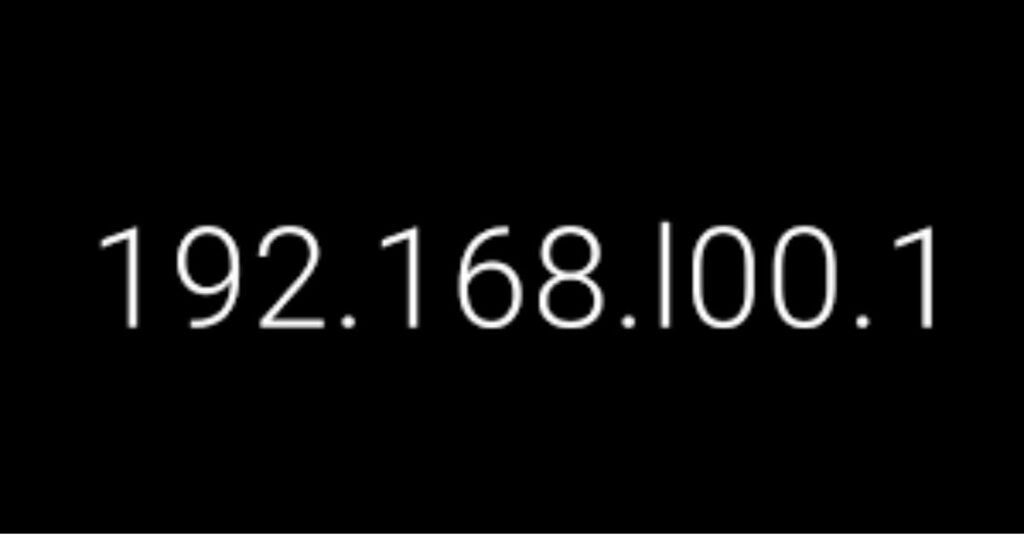
In practice, 192.168.l00.1 appears when typing slips create errors, mixing letter and number where a valid IP address should consist only of numbers and dots, avoiding incorrect variation confusion.
From experience, such typo patterns emerge due to font ambiguity, where l replaces 1, making addresses fail validation, although users expect correct 192.168.100.1; this reflects how small input shifts disrupt technical navigation outcomes.
I often see beginners misread IP address structures, assuming mixed formats work, yet systems reject anything beyond numeric syntax, reinforcing why recognizing these subtle letters versus digit distinctions prevents repeated access failures.
For more details in techssla
192.168.100.1 Router Login Steps
Rather than starting traditionally, many first enter values blindly; however, effective flow begins when you open a web browser, place http://192.168.100.1 into the address bar, then press to reach the login page.
From there, inserting username and password tied to default credentials grants access into the router admin panel, provided the device remains connected to the network without interruption or mismatch.
If the interface fails to load, always check the entered IP and active connection, since even minor inconsistencies disrupt the sequence, reflecting how login pathways depend heavily on precise execution rather than assumptions.
Default Username And Password
In many setups, the repeated use of username and password combinations like admin or user persists because default credentials rarely vary significantly across a given router brand or model configuration.
Still, relying on unchanged values increases risk, which is why professionals always recommend a change immediately after initial login, strengthening overall security while reducing predictable entry points exploited through common credential databases.
Interestingly, duplication patterns—like repeated password entries—exist because manufacturers prioritize ease over resilience, leaving users responsible for reinforcing weak defaults that otherwise remain exposed across similar deployment environments.
How To Find Your Router IP Address
Instead of guessing, locating the gateway begins differently across systems; on windows, open a command prompt, type ipconfig, and identify the default gateway tied to your active network connection.
On mac, access terminal, run netstat nr with grep filtering for default, while on mobile, navigate wifi settings, tap the connected network, and read the assigned IP address directly.
Each method ultimately reveals the router’s gateway, reinforcing how device-specific paths differ, yet all converge toward identifying the same routing endpoint necessary for configuration or troubleshooting workflows.
Troubleshooting 192.168.100.1 Login Issues
Unexpected failures often trace back to misaligned inputs; confirming the correct IP like 192.168.100.1 and ensuring the device stays connected to the router network is the first overlooked yet essential verification step.
If issues persist, clear browser cache and cookies, switch to a different browser, or restart both router and device, since temporary conflicts frequently block the login page from loading properly.
Advanced cases require disabling VPN, checking alternative IP like 192.168.1.1 or 192.168.0.1, or performing a full reset using the button, holding it 10–30 seconds to restore factory settings.
Router Settings You Can Configure
Once inside, users typically change WiFi SSID or network name, alongside updating the password, but deeper control includes managing parental controls and fine-tuning firewall settings for enhanced oversight.
You can also enable or disable a guest network, allowing temporary access separation, while routine maintenance involves update cycles for firmware, ensuring stability and compatibility with evolving device ecosystems.
Bandwidth shaping through bandwidth control further optimizes performance, especially in shared environments, reflecting how modern routers extend beyond connectivity into full network management hubs.
Security Recommendations
A counterintuitive reality is that most breaches occur through unchanged basics, making it critical to change default username and password into strong passwords immediately after setup completion.
Equally important, professionals often disable WPS when not needed, while consistently applying update cycles to router firmware ensures vulnerabilities remain patched against emerging threats.
Finally, always enable modern protocols like WPA2 or WPA3 encryption, reinforcing layered defense so that even if credentials leak, underlying communication remains protected against interception.
Huawei Router Specific Notes
With certain routers, especially those using 192.168.100.1, the default gateway aligns with manufacturer presets, yet login credentials often differ depending on ISP configuration applied during deployment.
Some setups even require values printed on the physical label, meaning users cannot rely on generic combinations and must verify device-specific information before attempting administrative access.
This variation highlights how provider customization reshapes otherwise standard interfaces, making Huawei environments slightly less predictable compared to universal consumer router setups.
Common IP Address Alternatives
In practice, many router brands assign different default IP addresses such as 192.168.1.1, 192.168.0.1, or 192.168.31.1, depending on firmware design and regional deployment strategies.
Understanding these alternatives prevents confusion when expected gateways fail, especially during troubleshooting scenarios where users assume a single universal access point across all networking devices.
FAQs
Why 192.168.l00.1 Does Not Work
At a technical level, systems reject entries that contains any letter within what should be a strict number sequence, since browsers cannot interpret such invalid IP formats correctly.
Networking standards enforce purely numeric format, meaning only values like 192.168.100.1 succeed, while mixed-character inputs fail parsing before any connection attempt even begins.
Why Is 192.168.l00.1 Not Working?
Most failures stem from an incorrect IP address that contains a letter like l instead of number 1, preventing access despite user expectation of reaching correct 192.168.100.1.
What Is 192.168.100.1 Used For?
Primarily, it allows access to the router admin panel, where users configure WiFi settings, adjust password, and enhance security across connected environments.
How Do I Log Into 192.168.100.1?
You simply open a browser, enter the IP address, provide login credentials, and gain access to the dashboard for managing router operations.
What If I Forgot My Router Password?
In such cases, perform a reset on the router, restore default login credentials, and check the device label for accurate recovery details.
Why Is My Router Login Page Not Loading?
This usually occurs due to wrong IP, device not connected, browser issues, or the router not responding, disrupting expected access attempts.

