
Introduction to Corporate Software Inspector
A corporate software inspector has become a vital asset for modern companies that want stronger control over their digital environments. You may already feel the pressure of rising cyber threats and confusing compliance rules, so this guide aims to make everything clearer and easier.
The goal is to help you understand how a skilled inspector strengthens software compliance auditing, improves enterprise software monitoring, reinforces IT governance practices, and supports safer systems through software license management. By applying practical steps and real-world insights, you’ll see exactly how a corporate software inspector protects your business from hidden risks and builds long-term digital confidence.
For more articles techssla.com
What is a Corporate Software Inspector?
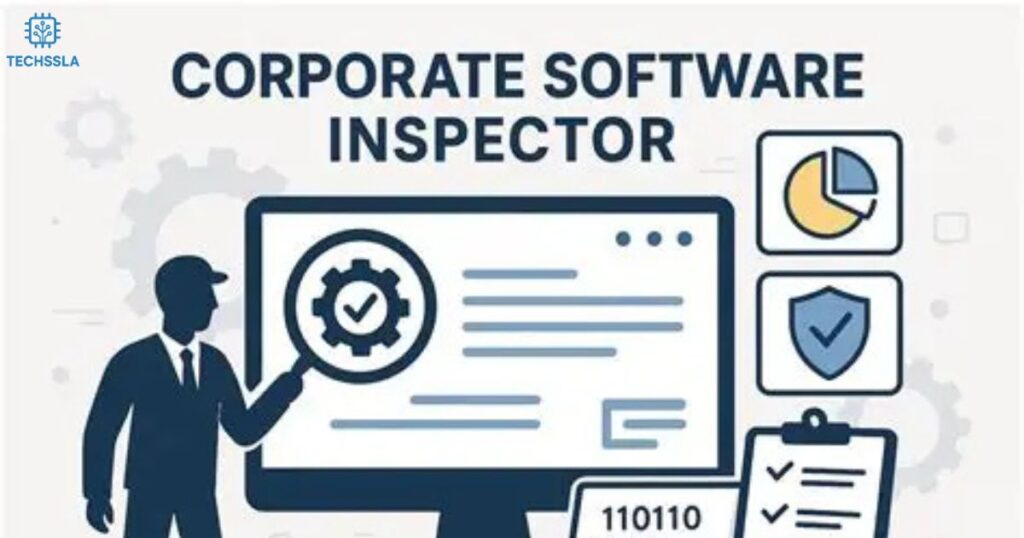
A Corporate Software Inspector is a set of tools and processes used to check software health, security posture, and compliance tasks inside large organizations. These systems evaluate programs, scan for weak points, and study outdated components that might create danger. They support Software vulnerability assessment activities and help teams follow Patch management best practices. They also study vendor details and support Vendor risk assessment so companies can avoid high-risk partners. The method also supports IT audit processes that reveal outdated programs and unsafe settings.
The role also covers lifecycle tasks because teams need complete control over their Enterprise software lifecycle. This includes usage, updates, and retirement steps that support safer operations. Every inspection supports Digital transformation compliance and reduces many hidden risks. The goal is Operational risk reduction through careful IT policy development and strong reporting. This brings better Security posture improvement, higher security confidence, and stronger Enterprise risk mitigation for US businesses.
Why Businesses Need Corporate Software Inspectors
Companies need a Corporate Software Inspector because digital environments change fast, and systems often contain hidden weaknesses. The tools review Software deployment procedures and check for mistakes during installations. They also support Cloud software governance which matters for US businesses shifting to cloud-based apps. Many teams want Ethical software usage models to avoid legal and financial trouble. They also use the system to produce Compliance reporting that meets internal and government rules.
These systems offer stronger control over access, changes, and workflows across Enterprise application security. They use Software inspection frameworks to decide how to handle threats or misconfigurations. USA companies must protect customers, staff, and system data at all times. Without careful inspection, small issues become major breakdowns. Clear analysis supports safe operations, smooth audits, and long-term technology success.
Core Responsibilities of a Corporate Software Inspector
A Corporate Software Inspector checks installed systems, reviews data behavior, and confirms rule alignment. These tasks connect with the work of a Software Auditor, a Compliance Officer, an IT governance specialist, and a Cybersecurity professional. They also act as a Risk manager in many cases because mistakes in systems can cause large financial damage. They focus on Auditing software licenses, Evaluating system compliance, Monitoring enterprise applications, and Identifying security vulnerabilities. These responsibilities protect entire environments and support accurate reporting.
They also support deeper reviews that include Conducting software inspections and Reviewing data handling practices. Many experts also work on Performing security assessments, reviewing system records, and helping with Documentation review and Policy development. They support Vendor assessment, run Vulnerability scans, and help with Penetration testing. They also study architecture through Software architecture review to find structural gaps. All actions support healthy governance in USA companies of all sizes.
Key Features & Capabilities of Corporate Software Inspector Tools
A Corporate Software Inspector tool offers discovery functions that scan each device and system automatically. They help teams check versions, signatures, and drift from expected policies. Many tools also include strong Cloud infrastructure security controls that look at remote platforms with the same level of detail. They examine Data storage and processing frameworks to ensure safe handling. They also track changes against Legal and regulatory standards required in the USA. Powerful dashboards allow leadership to see patterns and measure Compliance frameworks over time.
The tools help with operations because they support Operational governance through automated scans. They use scoring features that calculate Enterprise risk scoring so leaders know which areas need attention first. Many tools also help with Cost optimization, Operational continuity, and Efficiency improvement. They reduce Reputational risk by preventing data leaks and encourage Software sustainability across company systems. Strong platforms also support Digital ecosystem resilience, help teams prepare for ESG and responsible technology, and adjust to Evolving regulations that affect the USA.
How Corporate Software Inspector Works
A Corporate Software Inspector works by scanning devices, reading system information, and comparing results to internal policies. The tool builds an inventory, checks settings, and measures compliance levels. The system finds weaknesses and uses analysis models to raise alerts when danger appears. This helps teams understand Cybersecurity threats and respond before damage spreads. Many modern tools use AI-powered compliance tools to speed up decisions. They also help handle SaaS complexity, which continues to grow for USA companies.
The platform monitors all applications, operating systems, and network endpoints. It connects this data with Global software governance rules to provide a full overview. It highlights errors and suggests fixes. The system then connects results with Ethical technology use, allowing companies to operate responsibly. Each step creates clarity and trust in the software environment.
Skills & Qualifications Needed for a Corporate Software Inspector Role
A professional in this area must understand risk, compliance, and governance. They need strong knowledge of auditing frameworks and must know how to read data from technical tools. Many workers train to become a Corporate Software Inspector, a Software Auditor, a Compliance Officer, or an IT governance specialist. They must understand cybersecurity and work effectively with engineers. They must know how to run evaluations, research weaknesses, and prepare formal reports. Many US companies prefer certified candidates who know how to perform assessments.
They must understand Cybersecurity professional skills because the job requires fast action. They must know Conducting software inspections, Performing security assessments, Vendor assessment, and policy reading. They must understand architecture, networks, and rules. The job demands strong writing ability and attention to detail. Many companies also value workers who understand Legal and regulatory standards in the USA.
Benefits of Using a Corporate Software Inspector
A Corporate Software Inspector protects company systems and reduces threats by mapping weak points early. It brings strong oversight to software environments and ensures teams follow laws. These tools support safer operations and reduce the costs related to risk events. USA organizations need these tools because breaches create huge legal danger. The system supports better protection and helps companies run smoothly.
It also supports change management by improving visibility. These tools build trust because they ensure management knows the system’s true condition. This transparency improves decisions and supports recovery plans. Companies can plan upgrades faster and avoid delays. The final result is healthier systems and better protection for customers and staff.
Corporate Software Inspector vs Traditional Solutions
Traditional methods rely on manual checks, documents, and small review cycles. These old approaches cannot protect modern systems because threats move quickly. A Corporate Software Inspector system uses automatic scanning and real-time monitoring. It improves detection speed and accuracy. Traditional models cannot catch hidden dangers in large networks because humans cannot check every part.
The new model also ties rules to each machine. This supports stronger evidence for audits and improves compliance readiness. Traditional solutions cannot match the speed or depth of inspection. USA companies want faster tools that help them stay ahead of attackers. Automation provides a clear edge.
Challenges Faced in the Role
A Corporate Software Inspector faces challenges related to large data sets, complex systems, and constant updates. Systems grow quickly and demand more review. Teams also face pressure from leadership who want fast results. Many inspectors struggle with old machines that cause unexpected problems. Each update creates new risks that require careful checking.
Another challenge is handling cloud tools that increase SaaS complexity. New threats appear daily which makes work more intense. Laws change often and add new rules to follow. USA companies face strict enforcement and high penalties. Inspectors must always stay informed.
Best Practices for Implementing Corporate Software Inspector Tools
USA companies should build clear policies before deploying a Corporate Software Inspector system. They must know what they want to check and how results will be used. Teams should test tools on small groups before a full rollout. Training helps staff understand how to read results and fix problems. Leaders should decide how often scans run and how reports work. Strong planning prevents confusion.
They must also align the tool with other systems. When the platform connects with ticket systems and security apps, the organization improves speed and reduces errors. Inspectors should review outcomes each month. This supports long-term protection and better decisions.
Future of Corporate Software Inspectors
The future of Corporate Software Inspector work includes more automation. Tools will handle more tasks and reduce manual review. AI will improve risk detection by learning patterns across millions of systems. US businesses will rely on these smart tools for constant protection. Threats will continue to grow and tools will keep improving. Rules will become stronger and companies will need better reporting.
Future tools will connect with cloud apps, mobile systems, and remote work models. Companies will expect deeper review and faster alerts. Inspectors will focus on smart governance while machines handle scanning. The tool will become a core part of US operations.
Flexera Corporate Software Inspector: Detailed Review
The Flexera Corporate Software Inspector offers strong scanning, fast detection, and dependable reports. It also includes the Flexera Corporate Software Inspector agent which captures full system data. Many USA companies prefer Flexera because the tool includes automatic patching and deep analytics. It checks software signatures and compares them against threat databases. It supports strong compliance tracking and easy reporting.
The Flexera Corporate Software Inspector also integrates with large deployment systems. It supports cloud scanning and keeps clear records. The tool works well for large firms that manage thousands of devices. It helps teams find vulnerabilities and stay compliant. The system provides clarity and helps organizations plan upgrades faster.
Expert Perspectives & Industry Insights
Experts say the Corporate Software Inspector model improves governance across industries. Many leaders report better visibility and safer networks. They argue that US companies must switch from old manual checks to real-time scanning. Many say regulation pressure will increase across healthcare, finance, and technology. They see stronger growth for automated tools.
Industry analysts also predict more businesses will adopt AI-powered governance because complexity continues to rise. They note that threats are becoming smarter. They believe strong inspection models will become a basic requirement instead of an advanced feature. Companies that adopt now will be safer later.
Recommended Tools Similar to Corporate Software Inspector
Many USA companies use platforms that work like a Corporate Software Inspector. These systems check versions, look for weak points, and print reports. They help teams handle large environments and meet strict laws. Many tools offer dashboards and integration support. They help speed up remediation steps and reduce workload.
The market continues to expand because companies want visibility. They look for better data, safer systems, and clear reporting. These tools offer strong monitoring that matches modern governance models. They support audits, tracking, and data protections. They help avoid mistakes and build trust.
FAQs – Corporate Software Inspector
Many US leaders ask how a Corporate Software Inspector works.
They want to know if these tools run automatically or require manual checks. Most platforms run full scans every day and offer alerts when danger appears. Some tools also support external audits. Leaders ask about cloud support
which is included in many tools.
Many companies ask how to measure improvements. Reports help track compliance and show security progress.
Others ask if the system helps with privacy rules.
It does because the tool builds a clear record of software activity. This helps with complex privacy frameworks.
Some companies ask if these tools slow devices.
Most systems run in the background with no issues. Many ask about cost and reporting use. Tools help lower risk which offsets long-term cost.
What does a Corporate Software Inspector do?
A Corporate Software Inspector reviews, monitors, and analyzes software across an organization to ensure security, compliance, and proper licensing while preventing risks or vulnerabilities.
Importance of software inspection in enterprises
Software inspection protects enterprises from cyber threats, legal penalties, and operational failures by ensuring every application is safe, compliant, and updated.
How companies ensure software compliance
Companies ensure software compliance through regular audits, license tracking, automated monitoring tools, and strict adherence to regulatory and security frameworks.
Corporate software governance best practices
Corporate software governance relies on clear policies, continuous monitoring, accurate documentation, risk assessment, and alignment with legal and industry standards.
Skills needed for software compliance professionals
Software compliance professionals need strong analytical skills, cybersecurity knowledge, auditing abilities, regulatory understanding, and experience with enterprise monitoring tools.
Future of IT governance and compliance roles
The future includes AI-driven compliance tools, automated risk detection, stronger regulations, and rising demand for experts who can manage complex digital ecosystems.
Conclusion
A Corporate Software Inspector brings safety, order, and clarity to complex digital environments. USA companies must protect systems while reducing risk. Inspection tools create visibility and help teams respond faster. They reduce the chance of costly breakdowns and support compliance. The method aligns with US laws and improves trust. With stronger tools, businesses run smoother and protect their reputation. Digital complexity grows each year. A strong inspection model prepares companies for the future.